IPL 2026: The Game Begins Long Before the First Ball
Sat Mar 28 2026
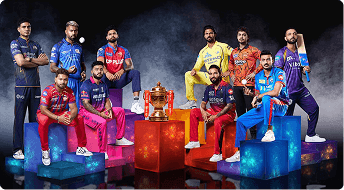
Credit: IPL 2026 © BCCI/IPL The build-up to IPL 2026 perfectly captures how far the league has evolved, blending cricket with a massive commercial ecosystem. In Bengaluru, five-star hotel ballrooms have been transformed into shooting studios where players, dressed in full kit, move swiftly between ad shoots, delivering scripted lines and posing with products before heading to the next room. This routine is not unique to one city; it is happening simultaneously across Mumbai, Delhi, Chennai, and other IPL hubs. Practice sessions, notably, are scheduled only later in the day, emphasizing how commercial commitments now sit alongside cricketing priorities. This scene reflects the staggering scale of the IPL today. Franchise valuations underline this growth, with Royal Challengers Bengaluru valued at $1.78 billion and Rajasthan Royals at $1.6 billion. Rather than surprise, there was mild disappointment that the $2 billion mark had not been crossed, showing how extraordinary figures have become the norm. Over 19 years, the IPL has transformed India into the undeniable center of the cricketing world, dominating boardrooms, broadcast deals, and ICC decision-making. Importantly, the league has not only built financial strength but also elevated the quality of Indian cricket itself. India’s recent success on the field reinforces this impact. The national team became the first to win three T20 World Cups, defend a title, and win one at home, doing so with dominant performances including multiple 250-plus scores. This team represents the true “IPL generation” — players who grew up in the league’s ecosystem, developed fearless playing styles early, and are as comfortable in high-pressure matches as they are in front of cameras. The depth of talent is evident, as several current IPL captains were not even part of the World Cup-winning squad, highlighting the abundance of elite players the system now produces. The league’s return to Bengaluru for the opening match carries symbolic weight. The M. Chinnaswamy Stadium, where IPL began in 2008, hosts the opener after RCB finally won their first title. However, this moment is layered with tragedy. During last year’s celebrations, a stampede outside the stadium claimed 11 lives. A memorial now ensures those individuals are remembered, with empty seats dedicated in their honor and new safety measures implemented. This contrast between celebration and loss reflects the deep emotional investment the IPL commands. Beyond the stadium, the league coexists with broader realities — rising fuel prices, increasing living costs, and global tensions. Despite this, IPL continues to thrive, maintaining a unique balance of being both premium and widely accessible. Fans still buy tickets, stream matches, and engage deeply with the league, showing its unmatched pull. The IPL has mastered the ability to hold contradictions together: global yet local, expensive yet ubiquitous, glamorous yet deeply rooted in everyday life. This season also highlights generational overlap. Young talents like Vaibhav Sooryavanshi and Ayush Mhatre are already part of the IPL ecosystem, sharing space with legends such as MS Dhoni, Rohit Sharma, Ravindra Jadeja, and Virat Kohli. What might seem extraordinary in other leagues is routine here, reflecting IPL’s ability to continuously regenerate talent while honoring its icons. On the competitive front, storylines are rich. RCB enter as defending champions but frame their campaign as an “attack” on a second title. Chennai Super Kings face unfamiliar territory after finishing last, prompting major squad changes and a shift toward youth. Mumbai Indians, despite a five-year title drought, remain strong contenders, relying on their depth and experience. Other teams bring their own narratives, from rebuilding identities to chasing consistency and sustaining past success. At the same time, structural challenges persist. The crowded global cricket calendar means several key players will miss the start of the season, forcing teams to adapt and sign replacements. This highlights a lingering contradiction: even a league as powerful as the IPL must still negotiate space within international schedules. Ultimately, the IPL represents far more than cricket. It is a spectacle where commerce, sport, emotion, and aspiration intersect. Back in that Bengaluru hotel, once the shoots end and the lights are packed away, players return to the nets — to the game that started it all. Beneath the glamour and scale, cricket remains the core, even as everything around it continues to expand.