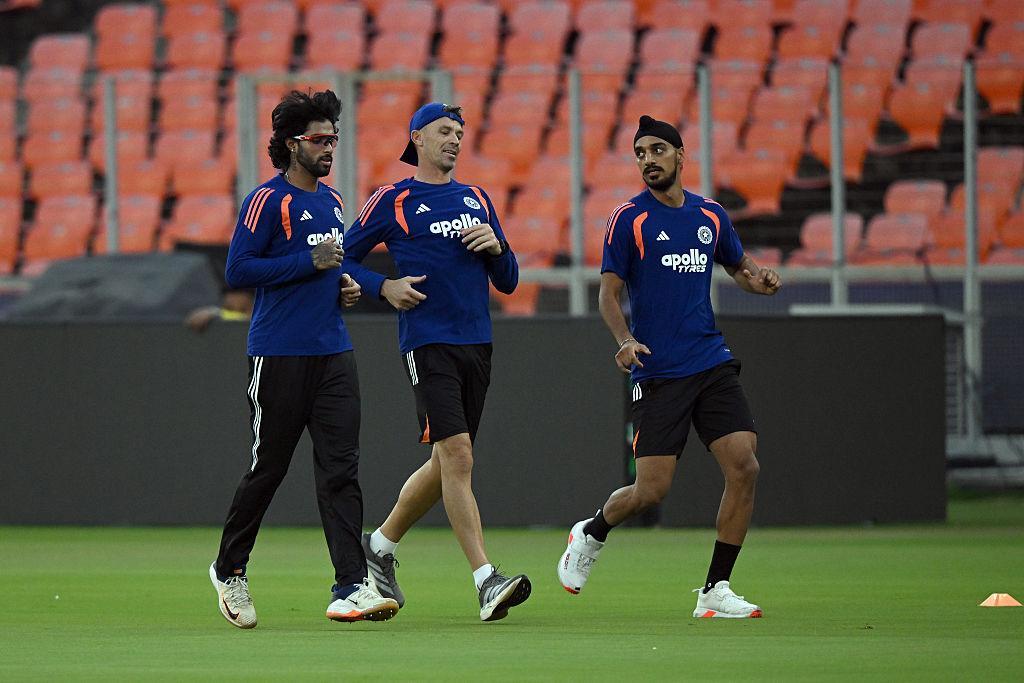
Two Teams, One Nation: BCCI’s Bold Plan Could Transform World Cricket
Mon Apr 20 2026
NDTV Sports | Sources: MyKhel | Navbharat Times | ABP Live | CricketWinner
The Board of Control for Cricket in India is reportedly exploring a bold and transformative idea — maintaining a pool of 30–35 players to field two Indian teams simultaneously, especially in the T20 format. This strategic shift comes at a time when international cricket calendars are becoming increasingly congested, with overlapping bilateral series, ICC tournaments, and franchise leagues like the IPL.
According to sources, the move is aimed at managing player workload while maximizing India’s global cricketing presence. With players frequently dealing with injuries and fatigue due to back-to-back matches, the BCCI believes a larger, rotating squad could help maintain peak performance levels across formats.
India’s bench strength has grown significantly over the past few years. Talented players such as Rinku Singh, Yashasvi Jaiswal, and Ruturaj Gaikwad have already proven their capabilities on the big stage, yet often compete for limited spots in the playing XI. This new system would allow such players to gain consistent international exposure.
The concept is not entirely new. In 2021, India effectively operated with two squads — one touring England for a Test series, while another played a limited-overs series in Sri Lanka. However, the current plan aims to institutionalize this approach, making it a long-term strategy rather than a temporary adjustment.
Experts believe this move could redefine how international cricket is managed. By having two competitive teams, India could participate in multiple tours simultaneously, increasing revenue, global reach, and player development opportunities. However, it also raises concerns about maintaining team identity and ensuring equal quality across both squads.
If implemented successfully, India could set a precedent for other cricketing nations. With its vast talent pool and strong domestic structure, the country is uniquely positioned to execute such an ambitious plan.
Pros Vs Cons - Detailed Analysis
Advantages
1. Better Workload Management
Reduces injuries and burnout
Key players remain fresh for major tournaments
2. More Opportunities for Players
Young talents get international exposure
Bench strength becomes match-ready
3. Stronger Domestic-to-International Pipeline
Rewards consistent domestic performers Encourages competition
4. Global Dominance
India can play more series worldwide
Strengthens cricket’s popularity globally
1. Dilution of Team Identity
Fans may not connect equally with both teams
Main team vs B team” perception risk
2. Selection Controversies
Increased debates over who plays where
Pressure on selectors
3. Commercial Impact
Star players attract viewership
Matches without big names may see lower engagement
4. Team Balance Challenges
Maintaining equal strength in both squads is difficult
🏏 Possible Team A & Team B (Predicted Squads)
🇮🇳 Team A (Primary Squad – Major Series)
- Rohit Sharma (C)
- Shubman Gill
- Virat Kohli
- KL Rahul
- Hardik Pandya
- Ravindra Jadeja
- Jasprit Bumrah
- Mohammed Siraj
- Kuldeep Yadav
- Suryakumar Yadav
- Rishabh Pant
🇮🇳 Team B (Secondary Squad – Parallel Series)
- Ruturaj Gaikwad (C)
- Yashasvi Jaiswal
- Rinku Singh
- Ishan Kishan
- Sanju Samson
- Tilak Varma
- Axar Patel
- Arshdeep Singh
- Avesh Khan
- Ravi Bishnoi
- Washington Sundar